We All Know Walmart Can Do Value. But Can It Prove It Has Taste?
Walmart’s NYC fashion pop-up changed how I saw the retailer. The more interesting question is what happens after you convince a customer to see you differently.
By Abbie Wharff Rosenblum
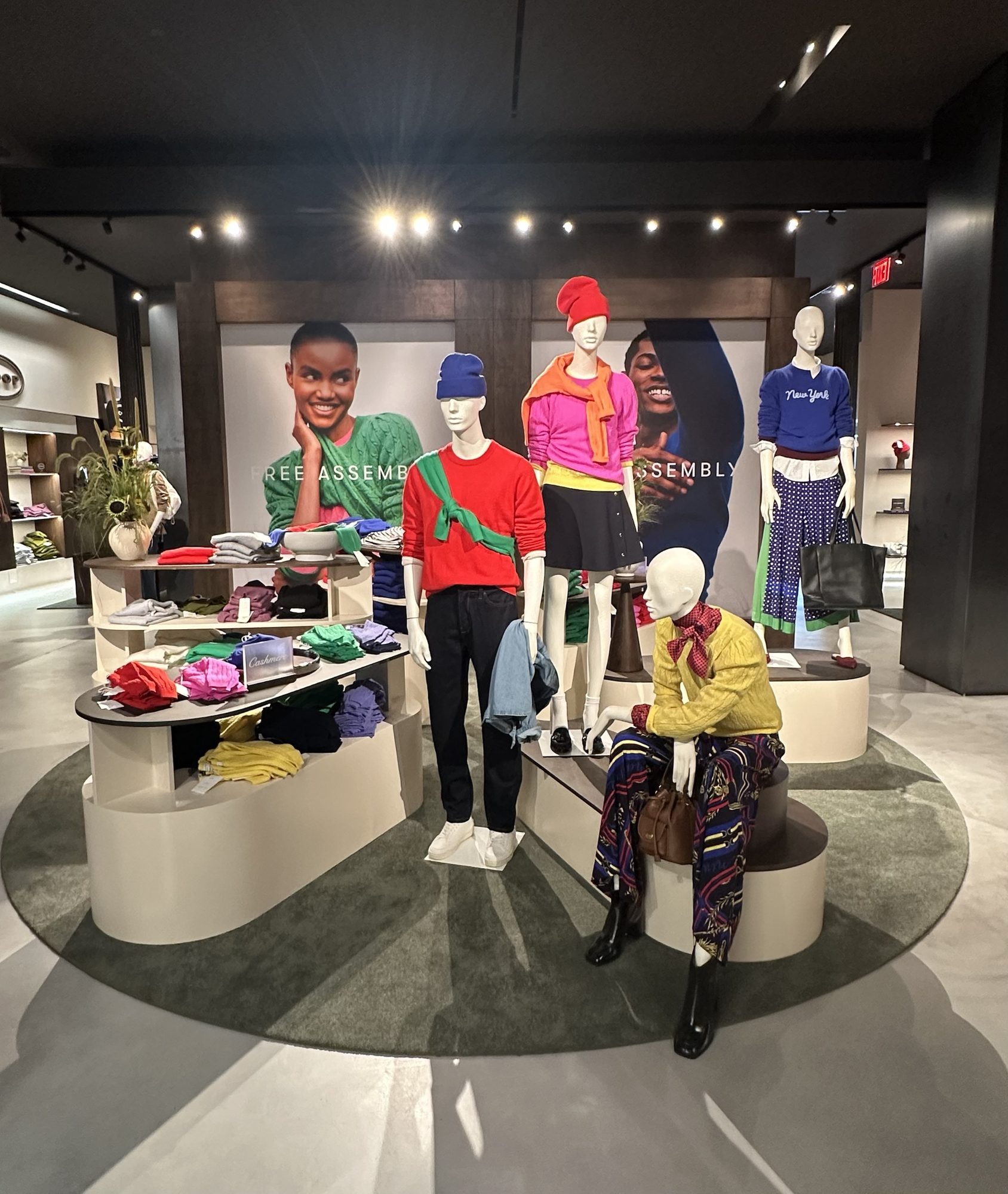
images/01-hero.jpgMy IG and TikTok feeds have been full of Walmart fashion content, so I walked into their SoHo NYC pop-up expecting to see a few cute pieces presented nicely. Except a few minutes in, I found myself thinking: Wait. Is Walmart…cool now?
It was the cohesion for me. The dark, sleek space, restrained fixtures, styling, layering, even the decidedly Millennial/Gen X-ish playlist of Sade and Stevie Wonder overhead. Before I’d touched anything, the environment had already started to shift what I expected from Walmart.
But the product still had to prove it.
The assortment did a lot of the marketing
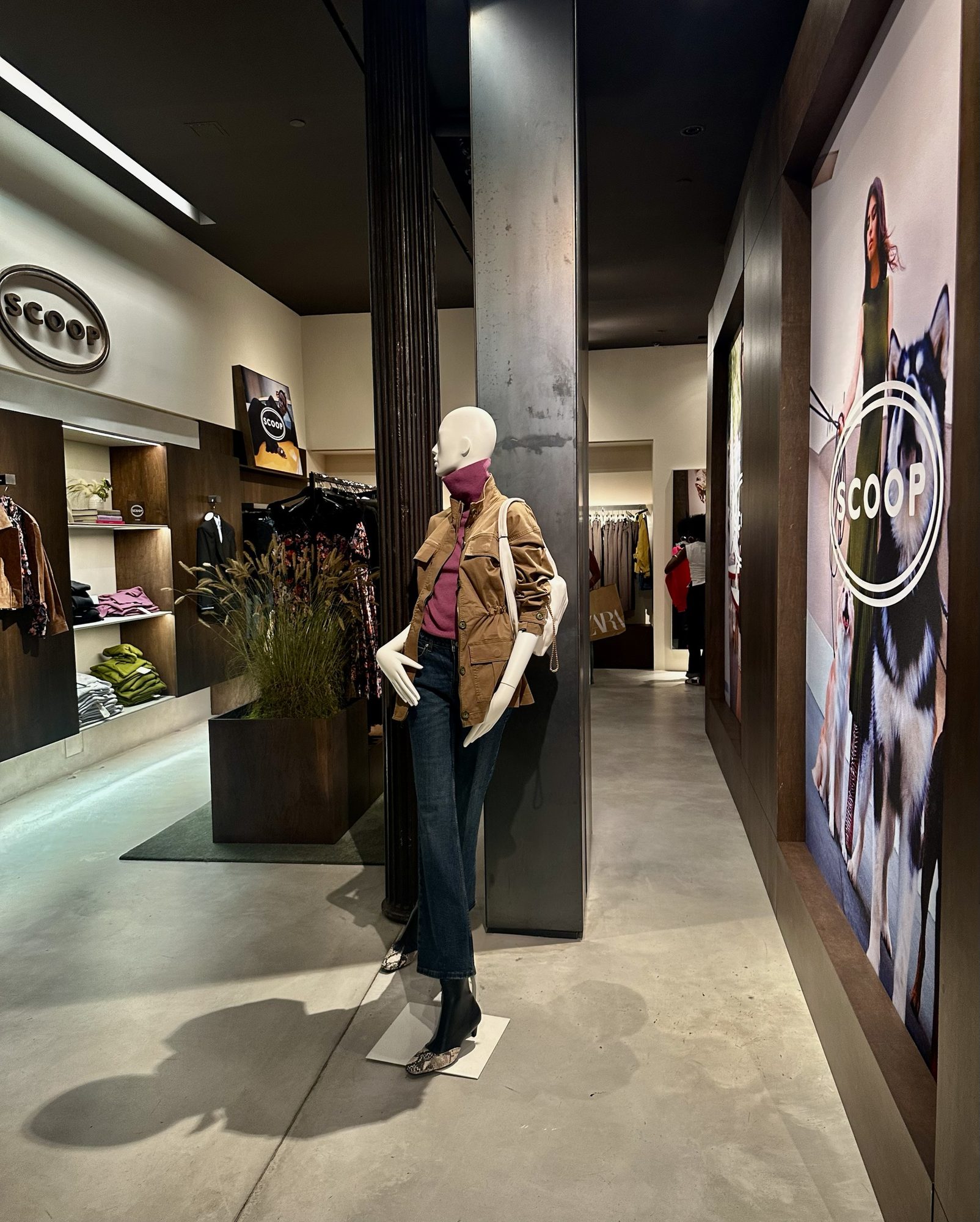
images/02-scoop.jpgYou walk right into Free Assembly: layered separates, saturated colors and accessories that could go from work to happy hour without feeling “corporate suit.” It was giving Uniqlo + Zara.
Further in, Avia revealed a sportier, more urban side of Walmart. Round the corner and you finally see the Scoop sign: barrel-leg denim, oversized pockets, gold hardware and a stronger fashion point of view.
But Walmart didn’t make Scoop do all the work. You moved through its other fashion brands to get there. Whether that sequence was intentional, I don’t know, but the effect was clear: I came in curious about Scoop. I left reconsidering Walmart fashion more broadly.
Lead with what earns the trip, then give shoppers reasons to keep discovering once they’re inside.
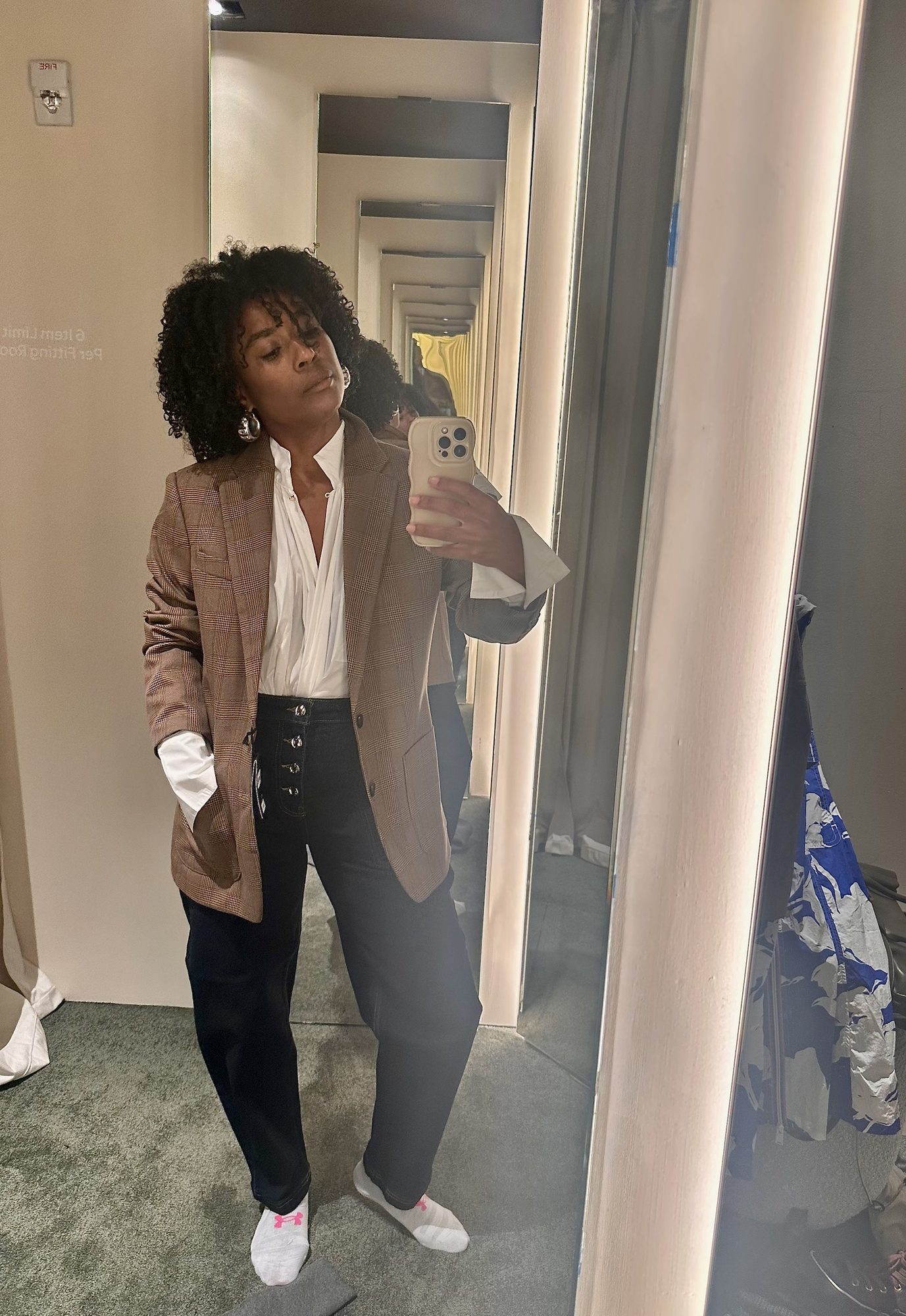
images/03-fitting-room.jpgAnd the product held up in the fitting room. I left with a white blouse, a blazer from menswear, Scoop barrel jeans and an itchy-but-well-priced cashmere sweater.
Not everything worked. A 100% silk dress, while materially impressive, read “aunty” on me. A leather jacket crossed the point where I started thinking less about value and more about the fact that I was at Walmart.
Still, I wasn’t grading the assortment on a curve because it came from Walmart. I was shopping it like fashion.
The $60 cashmere was doing a job
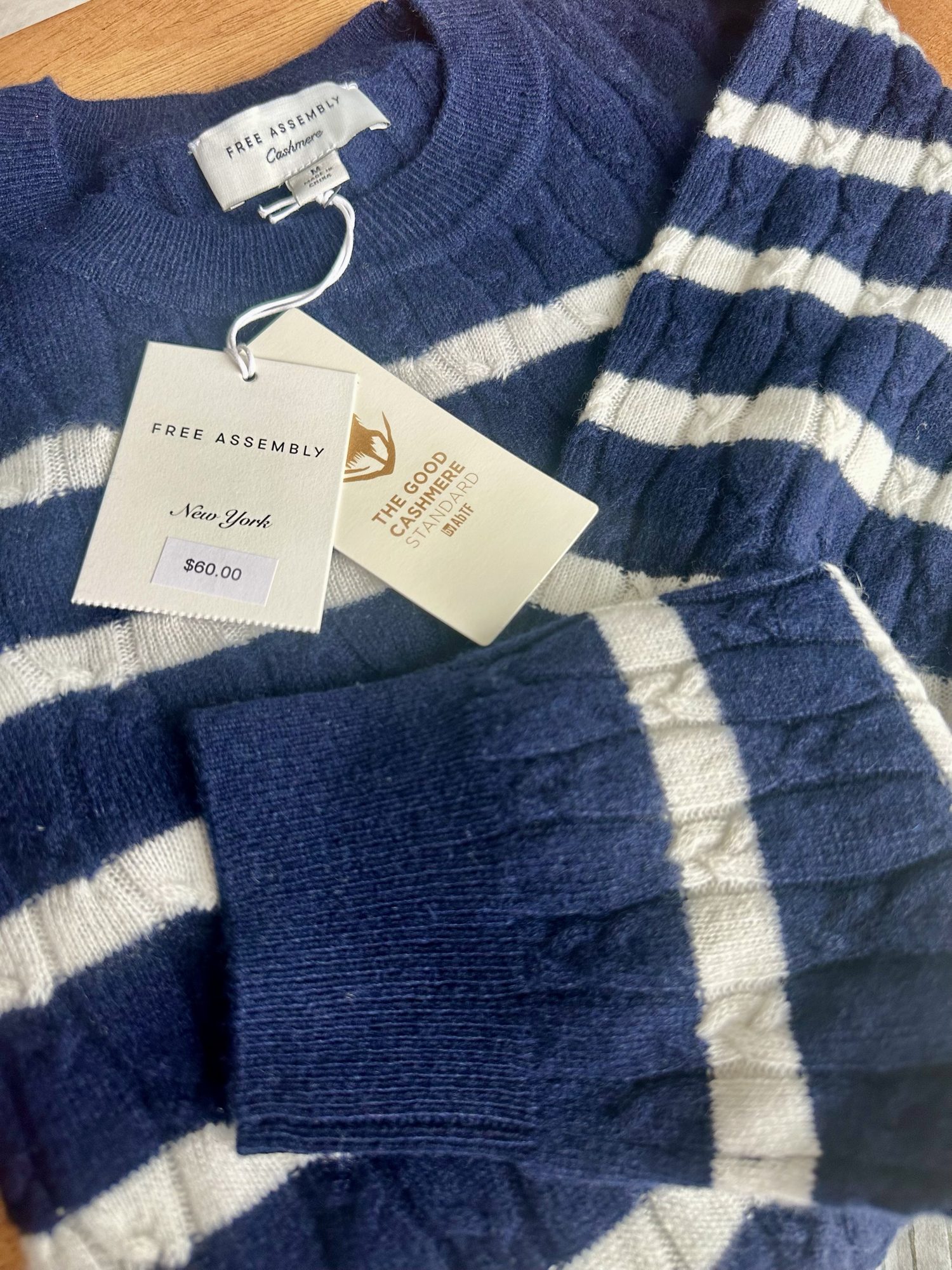
images/04-cashmere.jpgPutting a big cashmere statement near the front was one of the smartest merchandising choices in the space.
Cashmere is a perception shortcut. We associate it with trade-up, and here it was, front and center, at $60.
My reaction wasn’t that’s expensive for Walmart. It was that’s inexpensive for cashmere.
It wasn’t the finest cashmere, nor did I expect it to be. But presented prominently, it raised the ceiling of what I expected to find at Walmart.
The trick is raising that ceiling without abandoning the core permission that got your customer there in the first place.
You should still be able to find the $15 top. The new thought was: Wait, they have that too?
A hangtag did some serious product education
There was a basic men’s white button-down I probably would have walked right past. Then I noticed a tag that said, in essence, we heard your feedback and made some changes.
I stopped. What changed? The fit? Fabric? Proportions? Suddenly I wanted my husband to try on this extremely ordinary shirt.
A tiny piece of product education turned a basic I’d have passed over into something I wanted to investigate. I didn’t buy it because he wasn’t there and the pop-up couldn’t process returns, but I’m still thinking about that shirt days later.
Pretty good ROI for a hangtag.
Even the gift with purchase had a point of view
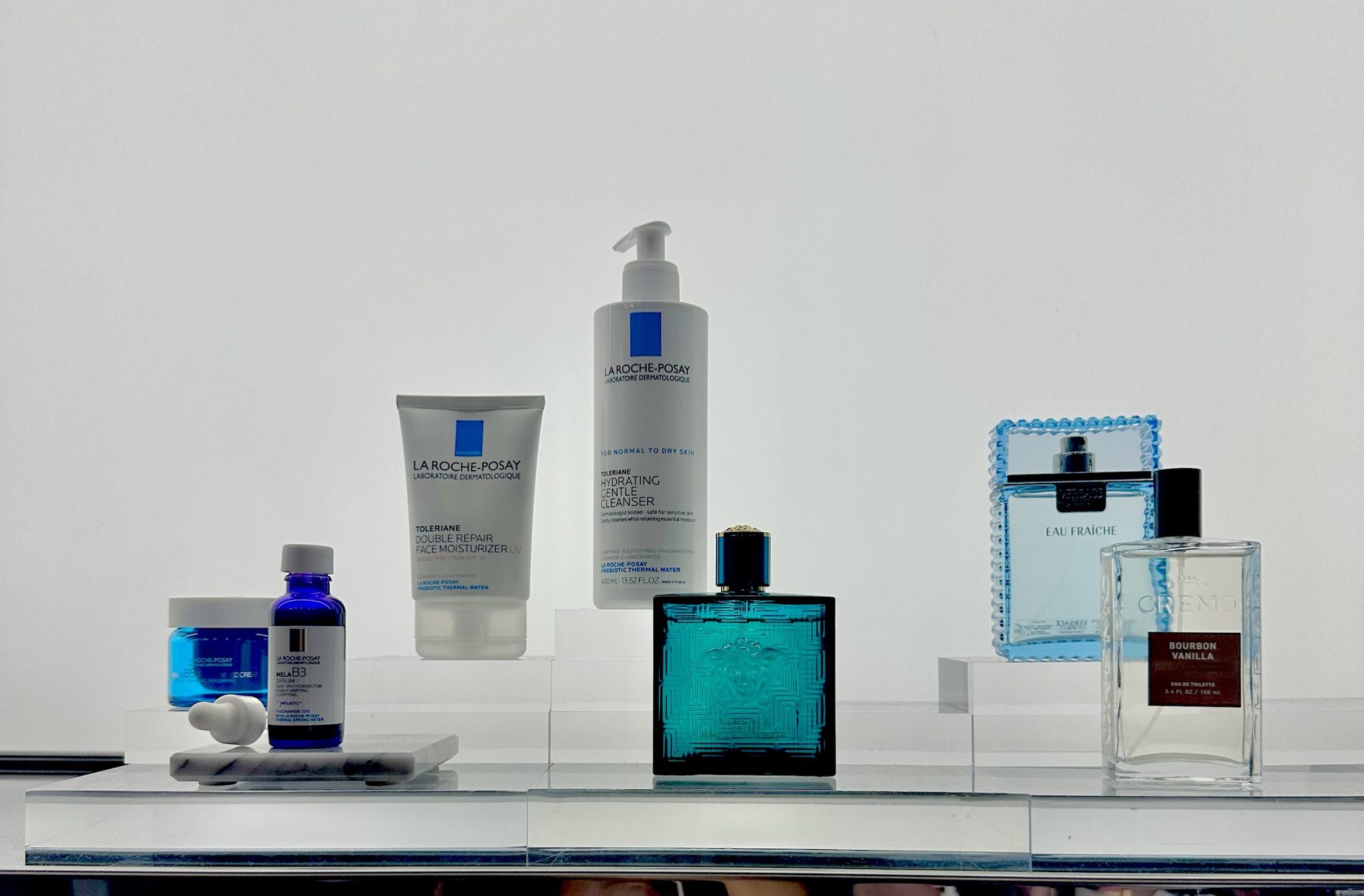
images/05-day-off.jpg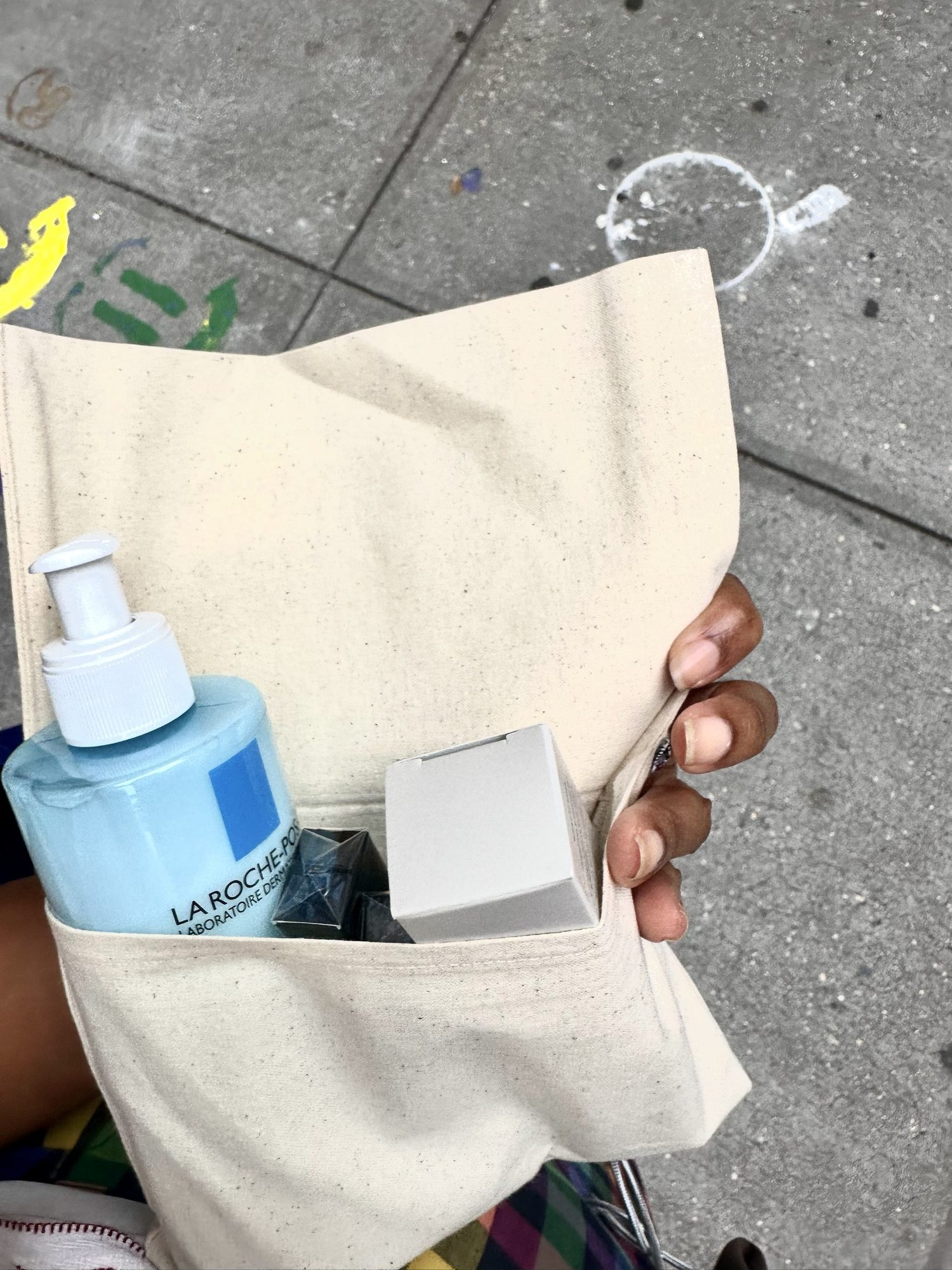
images/06-mens-edit.jpgSpend $25 and you could choose one of five beauty edits: Office Chic, Day Off, Night Out, Night In or Men’s Edit.
Instead of random samples in a tote, brands like La Roche-Posay, Naturium, Milani and Fine’ry were grouped into little routines. People outside were talking about the giveaway, and I absolutely cared about crossing that $25 threshold.
Apparently I am very susceptible to a well-merchandised free gift.
The GWP didn’t just reward the purchase. It gave me another department to reconsider. That’s a smart cross-category invitation. Could Walmart Beauty change my perception too? The assortment and experience would still have to prove it.
Then I went looking for more
Near the end of my visit, a Walmart associate asked whether the experience had changed my perception of Walmart.
Yes. Very much yes.
But the better signal came after I left: I went looking for more.
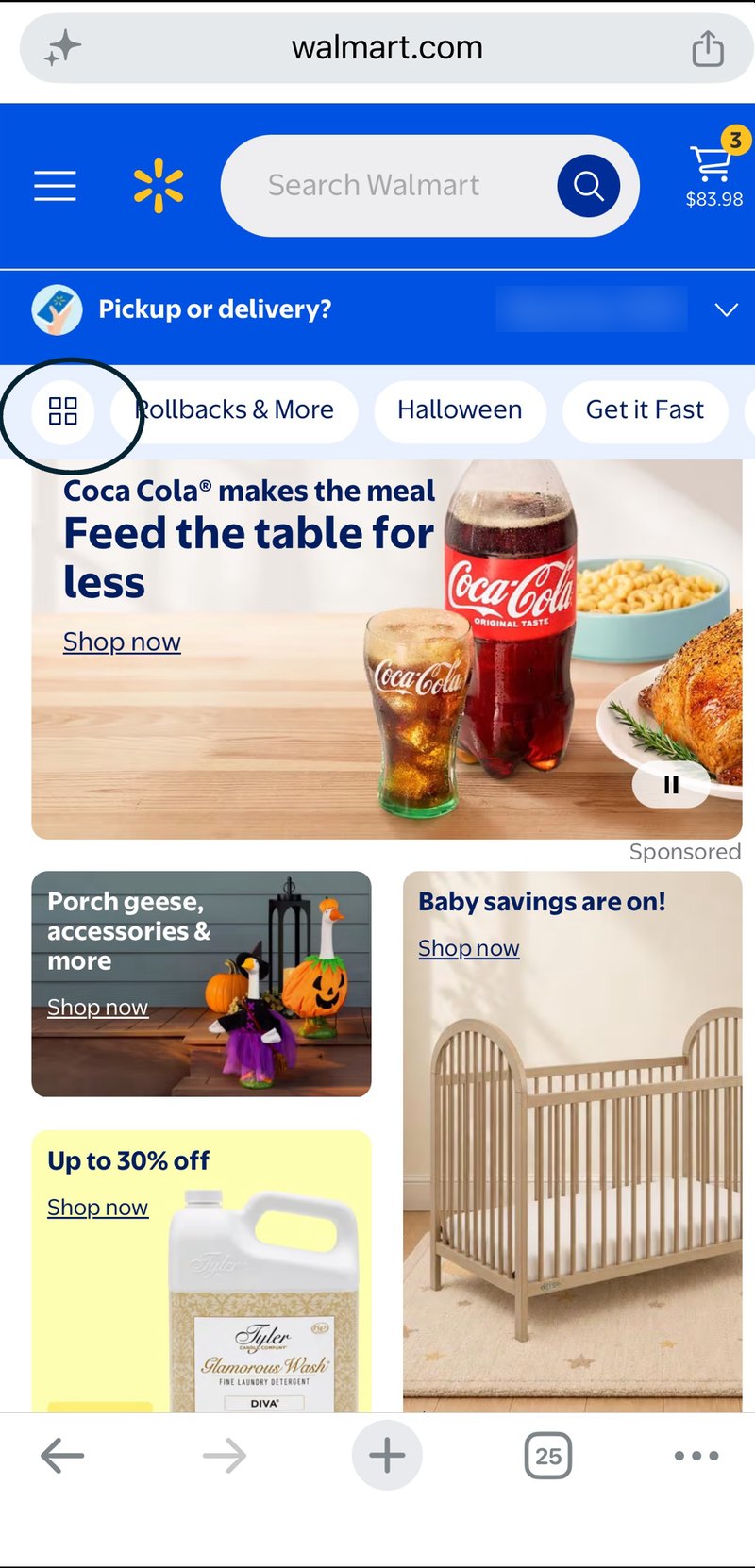
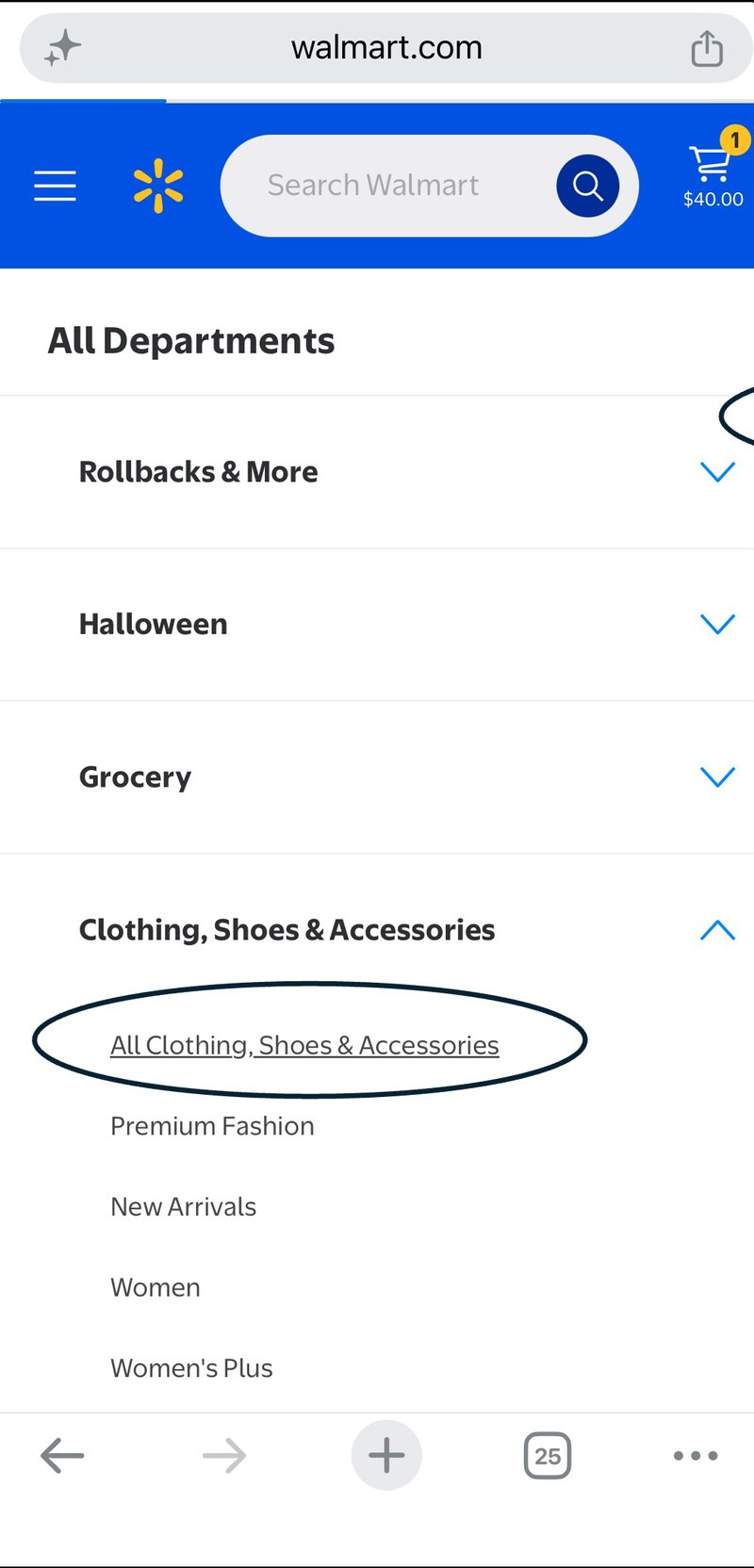
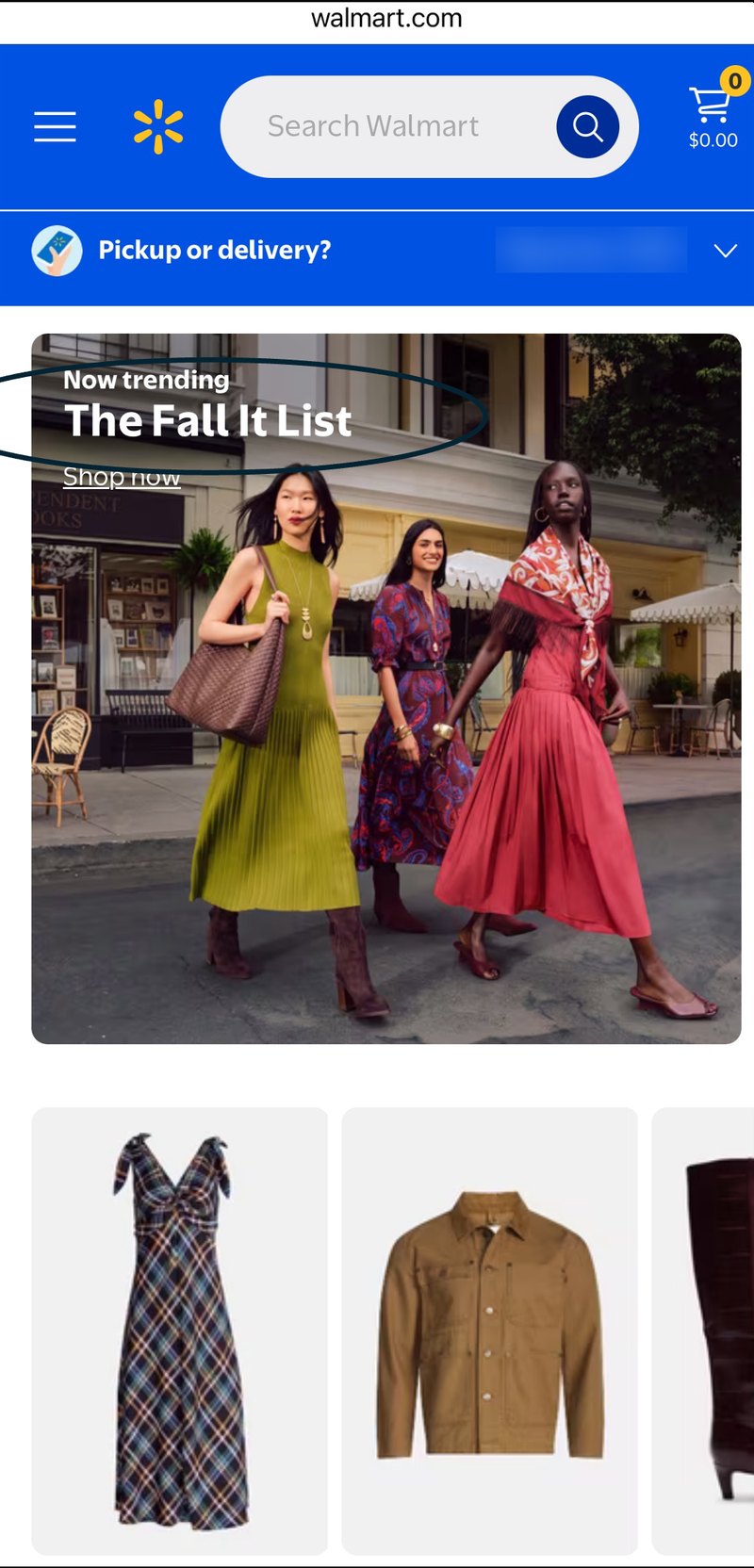
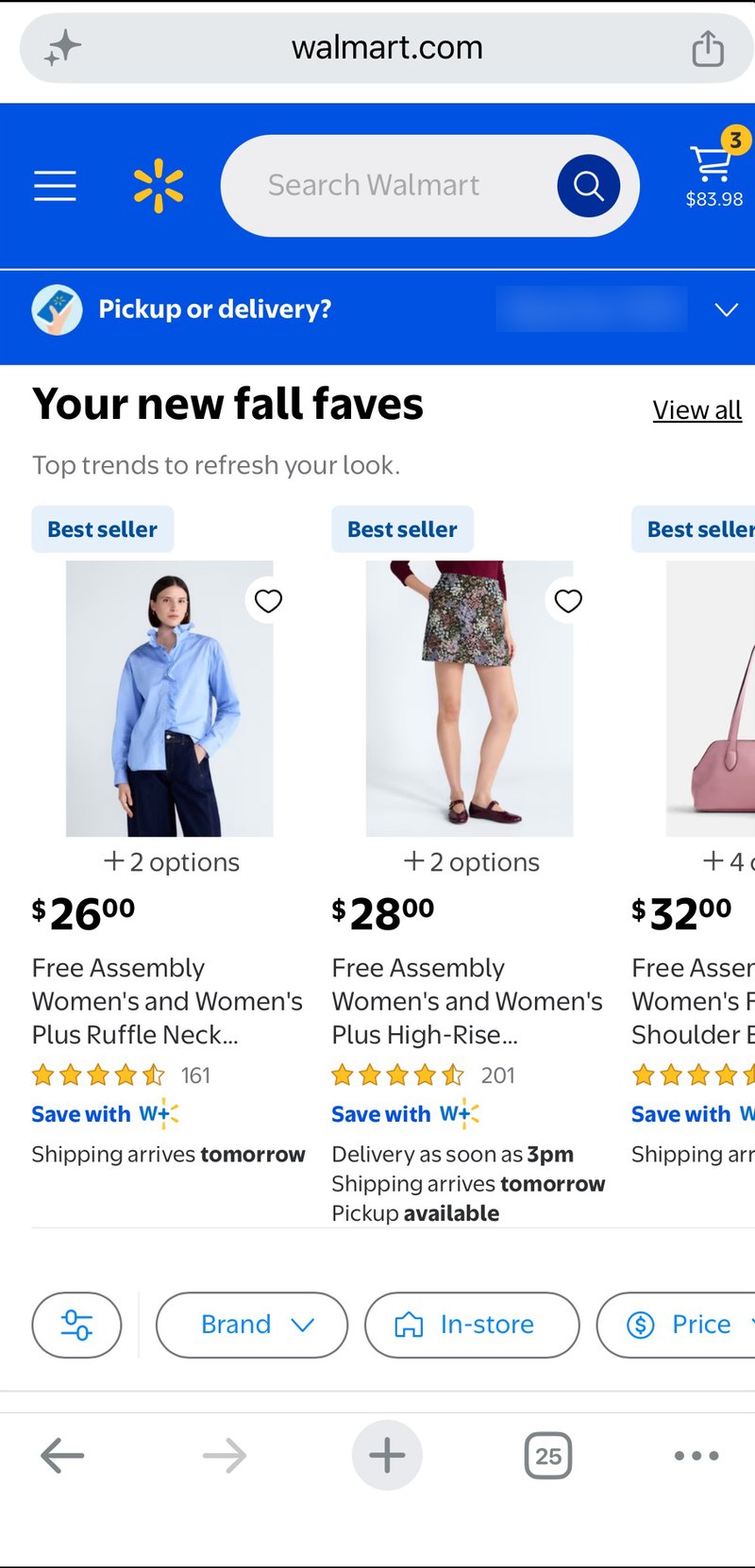
And to be fair, a lot of the pieces are there. Walmart has fashion content, trend stories, Free Assembly product and even a dedicated destination for the pop-up.
What I couldn’t easily recreate was the all-in-one experience I’d just had in SoHo.
I had to piece the story back together across different parts of the site.
The front door isn’t broken. But if a physical experience is compelling enough to change how someone sees you, give them a side door back in.
Give me the side door
I’d love a simple Shop the Store experience. Couldn’t make it to New York? Here’s the space. Here’s the styling. Here’s the cashmere table. Here’s Scoop. Here’s what the mannequins were wearing. Shop the whole thing.
Not because Walmart.com needs to become a fashion boutique. Because the pop-up already did the hard work of creating a distinct point of view.
If the store created the consideration, digital should make it easy to keep shopping the story.
Changing perception is only half the job
Sometimes brands treat perception as a marketing problem. This experience was a reminder that product can change perception faster than advertising alone can.
The assortment broadened what I thought Walmart fashion could be. Cashmere raised the ceiling of my value equation. A hangtag got me to reconsider a basic. A beauty GWP opened the door to another department.
That’s the first half of the job. The second is being there when the customer comes looking for more.
And I did.